
Commercial Refrigeration Feature-by-Feature: What Sets Each Apart for 2026
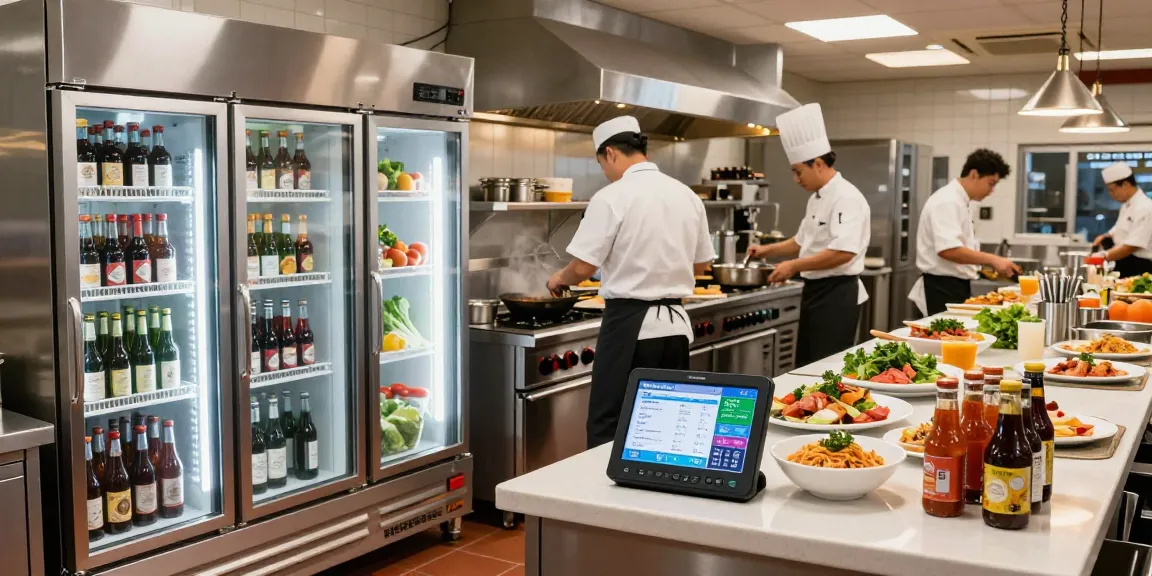
Understanding Commercial Refrigeration Essentials
In the fast-paced world of hospitality and food retail, maintaining the right temperature for food storage and beverage cooling is essential. Commercial refrigeration is the backbone of any reputable food service operation, ensuring that products remain fresh, safe, and appealing to customers. As the industry evolves, so do the technologies and strategies associated with Commercial Refrigeration, making energy efficiency and sustainability more important than ever.
What is Commercial Refrigeration?
Commercial refrigeration refers to refrigeration systems designed primarily for business purposes, such as restaurants, cafes, and supermarkets. Unlike residential refrigeration, these systems are built to handle larger capacities and are equipped with advanced features to meet rigorous operational demands. They come in various forms, including upright fridges, chest freezers, bottle coolers, and preparation counters, each tailored to specific commercial needs.
Benefits of Energy-Efficient Refrigeration
Energy-efficient refrigeration systems are designed to reduce electricity consumption while maintaining optimal cooling conditions. The advantages include:
- Cost Savings: Lower energy bills lead to substantial savings over time, allowing businesses to allocate funds more effectively.
- Environmental Impact: Reduced energy consumption diminishes carbon emissions, contributing to a more sustainable planet.
- Enhanced Performance: Modern energy-efficient units often operate more reliably, ensuring that food safety standards are consistently met.
Key Components of Refrigeration Systems
Understanding the components of commercial refrigeration systems can help operators make informed decisions about their equipment:
- Compressor: The heart of the refrigeration cycle, compressing refrigerant gas and circulating it through the system.
- Evaporator Coils: Located inside the refrigeration unit, these coils absorb heat from the interior, cooling the air.
- Condenser Coils: Situated outside or at the back of the unit, these coils release absorbed heat into the environment, facilitating the cooling process.
- Expansion Valve: This component regulates the flow of refrigerant into the evaporator, ensuring efficient cooling.
Exploring Leading Brands in Commercial Refrigeration
The market for commercial refrigeration is abundant with options, featuring brands renowned for their reliability and innovation. Understanding these brands can guide purchasing decisions.
Overview of Top Brands: Williams, Foster, and Blizzard
Three brands stand out in the commercial refrigeration landscape:
- Williams Refrigeration: Known for their durable and efficient refrigeration units, Williams offers a range of products suited for various commercial settings.
- Foster Refrigeration: Foster is recognized for their environmentally friendly options and sleek designs, making them a favorite among modern establishments.
- Blizzard: Offering competitive pricing without compromising quality, Blizzard’s range is popular among budget-conscious operators looking for reliable refrigeration solutions.
Comparative Analysis of Brand Features
When selecting a refrigeration unit, consider these differentiating features:
- Energy Efficiency Ratings: Look for units with high efficiency ratings, which reflect lower operational costs.
- Warranty and Support: Longer warranty periods often indicate manufacturer confidence in their products.
- Design and Usability: Ergonomically designed controls and intuitive layouts simplify operation, enhancing workflow in busy kitchens.
Customer Reviews and Satisfaction Ratings
Customer feedback can provide valuable insights into real-world performance. By researching online reviews and testimonials, businesses can gauge the reliability of brands and identify potential issues before making a purchase.
Energy Efficiency and Environmental Impact
As the importance of sustainability grows, so does the need for energy-efficient refrigeration solutions that minimize ecological footprints.
How to Calculate Energy Savings
Calculating energy savings involves understanding the energy consumption of existing units compared to potential replacements. This can be done by:
- Gathering energy usage data for current equipment.
- Comparing it against the energy usage specifications of energy-efficient models.
- Calculating the difference to determine potential savings.
Future Trends in Eco-Friendly Refrigeration
The future of commercial refrigeration is leaning toward greener technologies. This includes innovations such as:
- Natural Refrigerants: Substitutes like CO2 and ammonia are gaining traction as environmentally friendly alternatives to traditional refrigerants.
- Smart Refrigeration: IoT-enabled units that allow for real-time monitoring and adjustments based on usage patterns to optimize energy consumption.
- Modular Systems: These allow businesses to scale their refrigeration needs as they grow, ensuring efficiency and functionality.
Regulatory Standards and Compliance
Staying compliant with industry regulations is essential for any business. Understanding local laws regarding energy efficiency, refrigerant types, and emissions can help avoid fines and promote sustainable practices.
Choosing the Right Commercial Refrigeration for Your Business
Selecting the appropriate refrigeration unit can significantly impact operational efficiency and customer satisfaction. It requires careful consideration of various factors.
Factors to Consider When Selecting Units
Key considerations include:
- Size and Capacity: Assess space limitations and product requirements to choose an appropriately sized unit.
- Type of Food or Beverage: Different products necessitate different refrigeration types; for instance, a pizza prep fridge differs from a bottle cooler.
- Energy Efficiency: Prioritize models that will save on energy costs in the long run.
Space Optimization Techniques for Small Kitchens
For establishments with limited space, consider:
- Under-Counter Units: These save space while providing essential cooling functionality.
- Vertical Storage: Choosing products with vertical designs can maximize space usage.
- Multi-Function Units: Opt for units that serve dual purposes, such as prep and storage combined.
Real-World Use Cases and Customer Success Stories
Analyzing case studies from other businesses can provide insights into effective refrigeration choices. For example, a local cafe that switched to energy-efficient units might share how they reduced energy costs while improving food preservation.
Maintenance and Care for Commercial Refrigeration Units
Proper maintenance of refrigeration units extends their lifespan and ensures optimal performance. Implementing a routine maintenance schedule is vital for all operators.
Best Practices for Long-Term Care
Regular maintenance activities include:
- Cleaning Coils: Keeping condenser and evaporator coils clean to enhance efficiency.
- Checking Seals: Inspecting and replacing door seals to prevent temperature loss.
- Monitoring Temperatures: Regularly checking internal temperatures to ensure appliances are functioning properly.
Common Issues and Troubleshooting Tips
Common refrigeration issues include temperature fluctuations and unusual noises. Troubleshooting steps can involve:
- Ensuring the unit is level to prevent coolant issues.
- Checking power sources and connections for electrical problems.
- Identifying and replacing faulty components when necessary.
When to Seek Professional Help
While routine maintenance can be managed in-house, certain issues warrant professional attention, such as refrigerant leaks or compressor failures, which require specialized skills.
What are the top brands in commercial refrigeration?
Brands like Williams, Foster, and Blizzard consistently lead the market, offering reliable and innovative products tailored for various commercial needs.
How can I calculate energy savings with refrigeration units?
By comparing energy usage data from existing units with potential replacements, businesses can determine potential savings effectively.
What maintenance practices are best for commercial refrigeration?
Best practices involve routine cleaning, temperature monitoring, and ensuring door seals are intact to maintain efficiency.
What features to look for in energy-efficient refrigerators?
Energy-efficient refrigerators should have high efficiency ratings, intelligent temperature controls, and be equipped with natural refrigerants.
How to optimize space with commercial refrigeration equipment?
Space can be maximized with under-counter units, vertical designs, and multi-function refrigeration appliances suited for small kitchens.