
Do Sciatic Nerve Leg Braces Work? A Comprehensive Guide for 2026
Understanding Sciatica and Its Symptoms
Sciatica is a term often used to describe pain that radiates along the path of the sciatic nerve. This nerve begins in the lower back, travels through the hips and buttocks, and extends down each leg. For many individuals, the experience of sciatica can be not only painful but debilitating, affecting their daily activities and quality of life. This article will explore whether do sciatic nerve leg braces work, examine the mechanism by which they operate, and consider the benefits and limitations of their use in managing sciatica.
What is Sciatica and How Does It Occur?
Sciatica is not a diagnosis in itself, but rather a symptom of an underlying condition that puts pressure on the sciatic nerve. Common causes include herniated discs, spinal stenosis, and piriformis syndrome. Each of these conditions can lead to nerve compression, resulting in various symptoms that can impact mobility, sleep, and overall well-being.
Common Symptoms of Sciatica Pain
- Sharp pain that radiates from the lower back down to the leg
- Burning sensation or tingling in the legs
- Weakness in the affected leg
- Difficulties with mobility and standing for prolonged periods
Factors Contributing to Sciatica
Several factors can contribute to the development of sciatica, including age, sedentary lifestyle, obesity, and occupations that require heavy lifting or twisting of the back. Understanding these factors is essential for both prevention and treatment.
Do Sciatic Nerve Leg Braces Work?
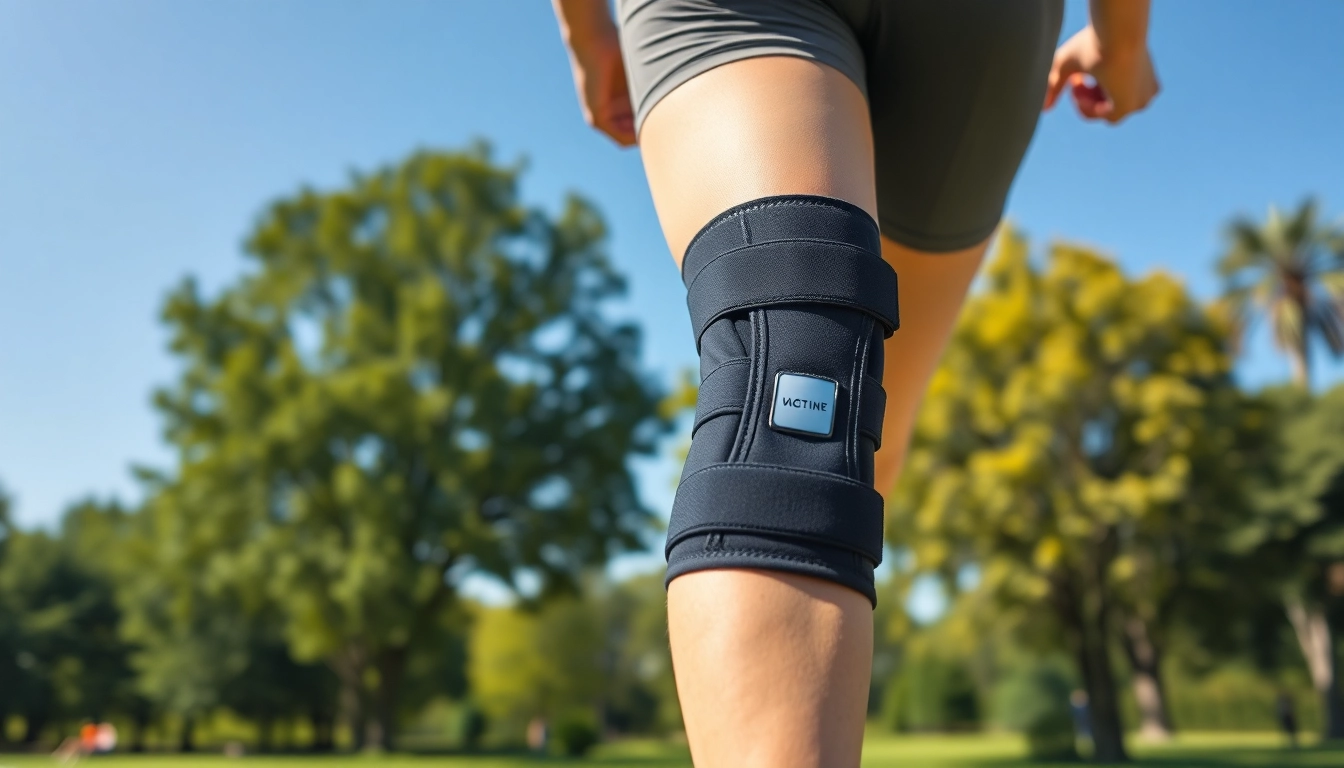
Sciatic nerve leg braces are designed to alleviate pain and improve mobility by providing support and stability to the pelvic region and lower limbs. The efficacy of these devices is often questioned, prompting the need to examine how they function and their potential benefits.
Mechanism of Action of Sciatic Braces
The primary mechanism of sciatica braces involves compression and stabilization. These braces can help in several ways:
- Compression: Enhances blood flow to the affected area, potentially reducing inflammation and accelerating healing.
- Stabilization: Offers external support that can limit excessive movement, reducing the strain on the sciatic nerve.
Benefits of Using Sciatic Nerve Braces
The use of sciatic nerve braces can provide several benefits, including:
- Reduction of pain during daily activities
- Improved posture and body mechanics
- Increased mobility, allowing individuals to engage in physical therapy exercises more effectively
Limitations and Considerations
While braces can offer symptomatic relief, they are not a cure for the underlying causes of sciatica. Additionally, over-reliance on these devices can lead to muscle weakness if not used in conjunction with appropriate physical therapy. It is essential for patients to understand that braces are part of a comprehensive management plan.
Types of Sciatic Support: Finding the Right Fit
When it comes to selecting the right sciatic support, several types of braces and wraps are available. Choosing the appropriate device based on individual needs can significantly enhance comfort and effectiveness.
Hip and Sacroiliac Joint Braces
Hip and sacroiliac joint braces focus on stabilizing the SI joint, which is often implicated in sciatica. By providing compression around the hips, these braces can help to alleviate pain triggered by movement and pressure on the sciatic nerve.
Thigh and Leg Wraps
Thigh and leg wraps extend from the hip down through the thigh, offering support to the muscles that can become tense from compensating for sciatic pain. These wraps apply compression to soothe the muscles and reduce pressure on the sciatic nerve.
Material, Comfort, and Adjustability
Comfort plays a crucial role in the effectiveness of any brace. Look for devices made from breathable, lightweight materials that can wick moisture away from the skin. Additionally, adjustable features allow for a customized fit, ensuring that the brace provides adequate support without restricting circulation or causing discomfort.
Integrating Sciatic Braces with Other Therapies
To achieve optimal relief from sciatica, it is essential to integrate the use of braces with other therapeutic modalities. This holistic approach can lead to more sustainable results in managing pain.
The Role of Physical Therapy in Sciatica Management
Physical therapy is a cornerstone of sciatica treatment. A therapist can prescribe exercises that strengthen core and gluteal muscles, improve flexibility, and address the specific movements that exacerbate symptoms. Using a sciatic brace during these sessions can provide additional support, allowing for more effective rehabilitation.
Complementary Therapies for Enhanced Relief
Complementary therapies such as acupuncture, chiropractic care, and massage therapy may also be beneficial. These therapies can help to alleviate muscle tension and improve blood flow, further enhancing the benefits received from wearing a brace.
Establishing a Holistic Approach to Pain Management
Managing sciatica effectively requires a comprehensive approach that addresses both the symptoms and the underlying causes. Engaging in regular physical activity, maintaining a healthy weight, and utilizing ergonomic solutions in daily life can contribute to long-term relief.
Future Developments in Sciatica Support Solutions
The management of sciatica is evolving, with new research and developments continuously emerging. Staying informed about these changes is essential for effective treatment.
Emerging Trends in Sciatica Treatment and Support
Innovation in the field of pain management is leading to the development of more effective support devices. This may include advances in materials, design, and technology that enhance the effectiveness of braces and wraps.
Innovations in Brace Design and Technology
Future braces may feature smart technologies that monitor movement and provide real-time feedback to users, helping them improve their posture and body mechanics while managing their pain.
Preparing for 2026: What to Expect in Sciatica Solutions
As we look toward the future, patients can expect to see more personalized treatment options that incorporate both traditional and innovative approaches to managing sciatica. This will likely encompass the integration of bracing solutions with advancements in physical therapy and complementary treatments.