Understanding Plant Pots: Types and Materials
When embarking on your gardening journey, one of the fundamental choices you will face is selecting the right plant pots. The type of pot can significantly impact your plants' health, growth, and overall aesthetic appeal in your space. From materials to sizes, there are various factors to consider that can enhance your gardening experience. For anyone looking to explore an extensive range of options, plant pots offer great insights into choosing the perfect containers for your greenery.
Common Materials Used in Plant Pots
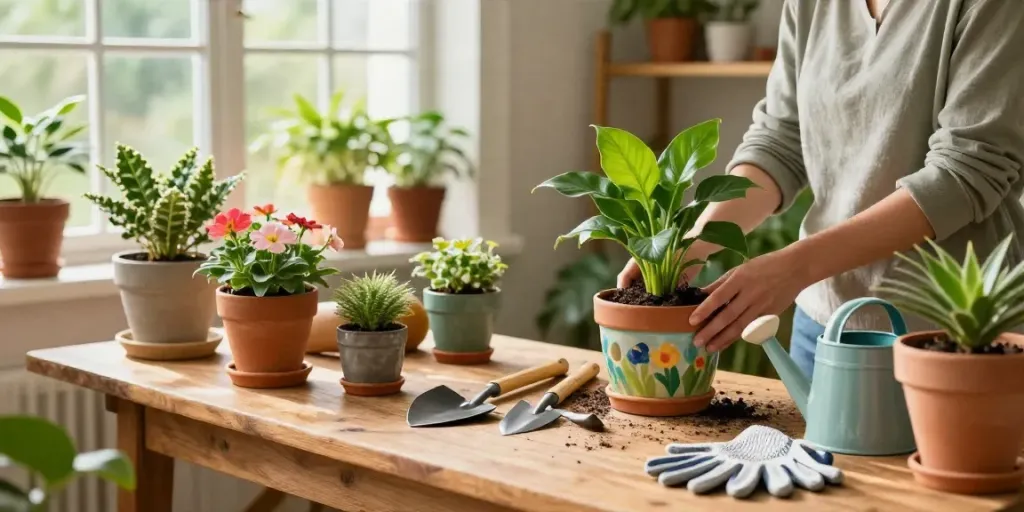
Plant pots come in a variety of materials, each offering distinct advantages and drawbacks:
- Plastic: Lightweight and often inexpensive, plastic pots are ideal for beginners. They retain moisture well but can become brittle over time under UV exposure.
- Ceramic: Aesthetically pleasing and available in numerous colors and designs, ceramic pots provide good insulation for plants. However, they can be heavy and may crack in freezing temperatures.
- Terracotta: Known for their durability and breathability, terracotta pots allow for excellent airflow to the roots. They are porous, which can help prevent overwatering but require more frequent watering due to moisture evaporation.
- Metal: While not as commonly used, metal pots offer modern aesthetics and durability. However, they can heat up quickly in the sun, potentially harming roots.
- Biodegradable Materials: Eco-friendly options like coconut coir and recycled materials are becoming popular, promoting sustainability in gardening.
Benefits of Different Pot Types
Choosing the right pot type can help you meet your plant's specific needs:
- For Succulents: Choose terracotta or porous ceramic pots that allow excess moisture to evaporate.
- For Ferns: Opt for plastic or ceramic pots that retain moisture but still offer adequate drainage.
- For Herbs: A shallow plastic or terracotta pot can provide a good balance of light and drainage.
Choosing the Right Size for Your Plants
Size matters when it comes to plant pots. A pot that is too small may restrict growth, while one that is too large can lead to overwatering. Follow these guidelines:
- Start with a pot that is slightly larger than the plant's root ball.
- Consider the mature size of the plant when selecting a pot.
- Use larger pots for plants that prefer consistently moist soil, as they can store more water.
Essential Features of Quality Plant Pots
Not all plant pots are created equal. Understanding the essential features that a quality pot should have will help ensure that your plants thrive:
Drainage and Airflow: Why They Matter
Good drainage is crucial for any plant. Pots with drainage holes allow excess water to escape, preventing root rot and other moisture-related issues. Airflow is equally important, as it enables roots to breathe and helps prevent fungal infections. Always check for proper drainage before making a purchase.
Insulation Properties of Different Materials
Insulation in plant pots can protect roots from extreme temperatures. Ceramic and terracotta pots offer better insulation compared to plastic. In hotter climates, thicker-walled pots can keep roots cooler, while in colder weather, ceramic pots can help maintain warmth.
Design Aspects: Style Meets Functionality
Aesthetics shouldn't be overlooked when selecting your plant pots. Whether you prefer minimalist designs or vibrant colors, the pot should complement your home décor while serving its primary function. Consider pots with self-watering features for added convenience.
Potting Basics: How to Properly Use Plant Pots
Once you've chosen the right pot, it's essential to know how to use it effectively to promote healthy plant growth.
Soil Selection and Preparation Techniques
The right soil is key to plant health. Always select a mix suited to your plant type. For example, cacti require a well-draining mix, while ferns thrive in a moisture-retaining blend. Preparing your soil properly can include:
- Mixing perlite or bark for increased aeration in potting soil.
- Testing pH levels to match your plant's requirements.
- Incorporating slow-release fertilizers to provide essential nutrients over time.
Watering Best Practices for Potted Plants
Watering practices can vary significantly based on plant type and pot size. Always check the moisture level before watering and ensure that pots have adequate drainage to prevent root rot. Generally, it's better to underwater than overwater.
Transplanting: When and How to Move Plants
Transplanting is necessary when plants outgrow their pots. Signs include roots growing out of drainage holes or stunted growth. When relocating your plant, choose a pot that is at least one size larger and be gentle with the roots to minimize shock.
Common Mistakes in Choosing Plant Pots
Even seasoned gardeners can make mistakes when choosing plant pots. Here are some common pitfalls and how to avoid them:
Overlooking Drainage Needs
One of the most frequent mistakes is selecting pots without drainage holes. Always ensure your pot has adequate drainage to prevent water pooling at the bottom.
Ignoring Plant Growth Requirements
Different plants have different needs for moisture, light, and root space. Research your specific plant's requirements to ensure you choose an appropriate pot.
Choosing Aesthetic Over Functionality
While it’s tempting to choose pots based solely on their appearance, it's crucial to ensure they meet the functional needs of your plants. Always prioritize function first.
Future Trends in Plant Pots: What to Expect in 2026
As we look towards the future, several trends are emerging in the world of plant pots that could shape your gardening experience in 2026 and beyond.
Eco-Friendly Potting Solutions
With increasing awareness of environmental issues, many gardeners are turning to eco-friendly materials for their pots. Innovations in biodegradable pots made from materials like mushrooms, coffee grounds, and recycled plastics are gaining traction.
Smart Plant Pots: Technology Integration
Smart pots that monitor moisture levels and automate watering systems are becoming more accessible. These pots can make caring for plants easier, especially for busy gardeners, offering reminders and alerts via smartphone apps.
Design Innovations and Customization Trends
Customization will be a notable trend, with more companies offering personalized designs or modular pots that can be arranged in unique configurations. This flexibility allows gardeners to express their creativity while caring for their plants.
Where's the best place to buy pots for plants?
Finding quality pots can sometimes be a challenge, but many reputable online retailers and local garden centers offer a wide selection. Be sure to look for options that meet both your aesthetic and practical needs.
What is the best website to buy plant pots online?
Several websites specialize in gardening supplies, including a variety of pots. Researching and comparing options can help you secure the best deals while ensuring quality.
Where can I buy cheap but nice plant pots?
For budget-conscious gardeners, many discount retailers and online marketplaces provide attractive yet affordable plant pots. Always check customer reviews to gauge quality.
Do plants do better in ceramic or plastic pots?
Both ceramic and plastic pots have their benefits, but the choice ultimately depends on the type of plant and the local climate. Ceramic pots provide better insulation, while plastic pots are lighter and easier to relocate.
What size plant pots should I buy for indoor plants?
For indoor plants, it's recommended to start with a pot that is at least one to two inches larger in diameter than the current one. This allows enough room for growth while ensuring proper moisture retention.