
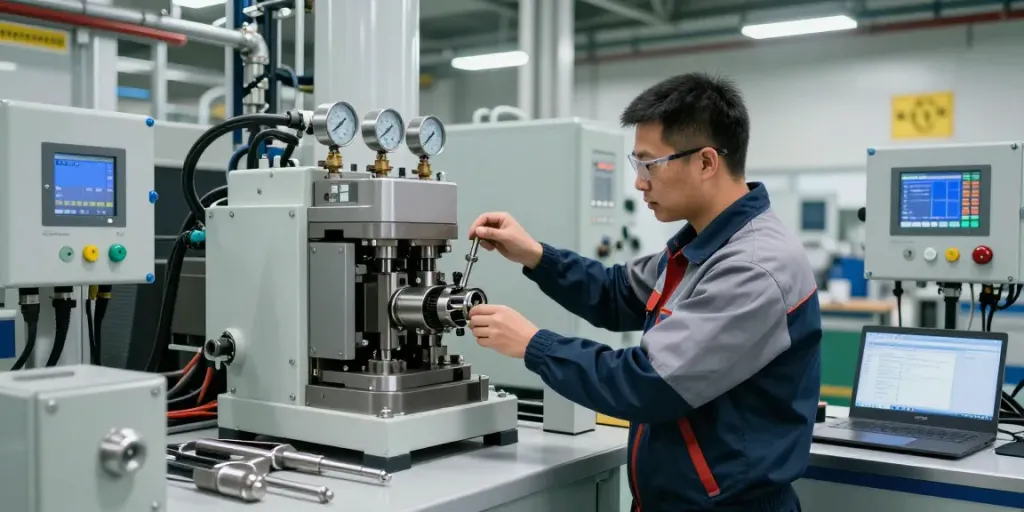
Understanding Mechanical Vacuum Switches
In the evolving world of industrial automation, the reliability and precision of componentry play a crucial role in maintaining operational efficiency and safety. Among these components, the mechanical vacuum switch stands out for its resilience and reliability in managing negative pressure systems. Designed for rigorous applications, these switches offer precise control while being remarkably durable—attributes that make them essential in many industrial settings. When exploring options, mechanical vacuum switch products like those from LEFOO can provide comprehensive insights into meeting industry-specific needs.
What is a Mechanical Vacuum Switch?
A mechanical vacuum switch is a device that operates in response to vacuum pressure levels within a system. Activated by a predetermined vacuum point, it enables or disables the flow of electricity to connected equipment. Unlike electronic variants, mechanical vacuum switches leverage physical mechanisms—such as diaphragms or bellows—to sense pressure changes, making them inherently reliable and less prone to failure in harsh conditions.
Key Components and Their Functions
The fundamental operation of a mechanical vacuum switch hinges on several key components:
- Diaphragm or Bellows: These components respond to changes in vacuum pressure, expanding or contracting to trigger the switch.
- Electrical Contacts: When the diaphragm moves past a specific vacuum level, it connects or disconnects electrical contacts to control equipment operation.
- Adjustment Mechanism: Most mechanical vacuum switches feature an adjustment screw and scale, allowing users to set precise activation points without specialized tools.
- Housing: The housing of the switch is often made of robust materials such as stainless steel, ensuring resistance to moisture, dust, and corrosive elements.
Applications Across Industries
Mechanical vacuum switches find applications in numerous industries, including:
- HVAC Systems: Used to monitor and maintain pressure levels in heating, ventilation, and air conditioning systems.
- Manufacturing: Integral in various production processes where vacuum is necessary to hold parts during fabrication.
- Food Packaging: Ensures vacuum integrity in packaging machinery, prolonging shelf life and safety.
- Automotive: Implemented in vehicles for emission control systems and fuel management.
Advantages of Mechanical Vacuum Switches
Durability in Harsh Environments
Mechanical vacuum switches are designed to withstand extreme conditions, making them ideal for industrial applications. Their sturdy construction ensures longevity, even in environments that experience significant temperature fluctuations, humidity, and exposure to chemicals. This durability translates into fewer replacements and lower overall maintenance costs over time.
Cost Efficiency and Maintenance
One of the significant advantages of mechanical vacuum switches is their cost-effectiveness. They often present a lower total ownership cost compared to electronic switches. The lack of complex electronic components minimizes both the frequency of failures and the need for specialized maintenance. Moreover, they can often be calibrated quickly and easily in the field, further reducing downtime during operation.
Precision Control and Calibration
Mechanical vacuum switches are renowned for their precision in maintaining set point accuracy. With straightforward calibration features, operators can efficiently adjust set points using external screws and visual scales, which can be particularly advantageous in dynamic environments where conditions frequently change.
Challenges and Solutions in Implementation
Common Misconceptions About Mechanical Switches
One common misconception is that mechanical switches lack the precision of their electronic counterparts. While electronic switches may offer advanced features, mechanical switches provide proven reliability under adverse conditions, making them the preferred choice in many industrial scenarios.
Best Practices for Installation
Proper installation is vital for maximizing the efficacy of mechanical vacuum switches. Key practices include:
- Ensuring compatible fittings to prevent leaks.
- Following manufacturer guidelines for calibration and adjustment.
- Regularly inspecting and maintaining switches to avoid operational failures.
Overcoming Technical Limitations
While robust, mechanical vacuum switches can still encounter challenges such as sensitivity to vibrations and improper settings. To mitigate this, it’s advisable to mount switches securely and regularly verify calibration settings, especially in high-vibration environments.
Future Trends in Mechanical Vacuum Switch Technology
Emerging Innovations to Watch for by 2026
The mechanical vacuum switch industry is poised for significant advancements by 2026. Innovations may include the introduction of hybrid switches that combine mechanical reliability with electronic features for enhanced functionality. Additionally, improvements in materials technology could lead to switches that offer even greater resistance to harsh environments.
Integration with Industrial IoT
As industries move towards automation and smart technologies, integrating mechanical vacuum switches with the Industrial Internet of Things (IIoT) will become more prevalent. This integration can facilitate real-time monitoring, predictive maintenance, and more efficient systems management.
Environmental Considerations and Sustainability
Future designs of mechanical vacuum switches will likely emphasize sustainability, including the use of recyclable materials and energy-efficient designs. As industries face increasing pressure to reduce their environmental impact, these changes will be crucial for compliance with future regulations and market demands.
Case Studies of Successful Implementation
Industry Leaders Leveraging Mechanical Vacuum Switches
Many leading manufacturers have successfully deployed mechanical vacuum switches in their operations. For instance, a prominent automotive manufacturer reduced production downtime by 30% after switching to mechanical vacuum switches due to their reliability and ease of maintenance.
Quantifiable Benefits Achieved
Companies implementing these switches have reported significant improvements in efficiency and operational costs. For example, in a recent study, a packaging firm noted a 25% increase in productivity by integrating mechanical vacuum switches into their machinery, enabling faster setup times and reducing waste.
Lessons Learned and Best Practices
The key takeaway from these implementations is that a thorough understanding of mechanical vacuum switch capabilities is essential. Organizations that invest time in training staff and maintaining equipment report much higher success rates in deployment, leading to improved overall performance and cost savings.
What is a vacuum switch used for?
A vacuum switch is primarily used to detect and control vacuum levels in various applications, ensuring that systems operate within designated parameters.
Is a vacuum switch the same as a pressure switch?
While they serve similar functions in monitoring pressure conditions, a vacuum switch specifically targets negative pressure (vacuum), whereas a pressure switch measures positive pressure.
What is an automatic vacuum switch?
An automatic vacuum switch operates without manual intervention, automatically adjusting activation points based on the system's vacuum levels, enhancing operational efficiency.
Can you run a pellet stove without a vacuum switch?
Operating a pellet stove without a vacuum switch is not advisable, as it is crucial for monitoring and regulating the vacuum conditions needed for safe and efficient combustion.
How do I choose the right vacuum switch for my application?
Choosing the right vacuum switch involves considering factors such as the required pressure range, environmental conditions, compatibility with existing systems, and ease of calibration and maintenance.