Understanding Felt Roofs
Felt roofs are a popular choice for many building types due to their cost-effectiveness, versatility, and ability to withstand adverse weather conditions. Often utilized in low-pitched and flat roof designs, these roofing systems provide a practical solution for protecting structures from moisture and environmental damage. As technology has advanced, modern felt roofing systems have improved significantly, offering homeowners a reliable option for their roofing needs. When exploring options, felt roof systems provide comprehensive insights into installation, maintenance, and longevity.
What is a Felt Roof?
A felt roof is constructed using layers of felt material, typically made from bitumen, which acts as a waterproof barrier. The felt is applied in multiple layers, often combined with other materials to enhance its durability and weather resistance. This type of roofing is particularly effective for flat roofs where water drainage is slower, allowing for better management of moisture.
Benefits of Felt Roofing Systems
- Cost-Effective: Felt roofing systems are generally less expensive to install compared to other roofing types, making them an attractive option for budget-conscious homeowners.
- Durability: Modern felt roofs are designed to withstand severe weather conditions, resisting tearing, puncturing, and UV degradation.
- Energy Efficiency: Many felt roofing systems can be installed with insulation, improving the energy efficiency of the building.
- Easy Installation: The installation process for felt roofs is straightforward, often allowing for quicker completion compared to traditional roofing methods.
Common Applications for Felt Roofs
Felt roofs are commonly used in various applications, including:
- Garages
- Extensions
- Porches
- Sheds
- Residential buildings with flat roofs
Choosing the Right Roofing Specialist
Selecting the right roofing specialist is crucial for ensuring that your felt roof is correctly installed and maintained. Experienced roofers not only bring technical skill but also an understanding of local building regulations and best practices.
Importance of Experienced Roofers
Working with an experienced roofer can greatly influence the longevity and performance of your felt roof. Experienced professionals are more likely to identify potential issues before they escalate, ensuring that the installation process adheres to industry standards.
How to Verify Roofer Qualifications
When assessing potential contractors, homeowners should consider the following steps:
- Check for appropriate licensing and insurance.
- Ask for references from previous clients.
- Look for online reviews and testimonials.
Questions to Ask Before Hiring
Before hiring a roofing contractor, consider asking the following questions:
- What is your experience with felt roofing?
- Can you provide a written estimate, and what does it include?
- What kind of warranty do you offer?
Installation Process of Felt Roofs
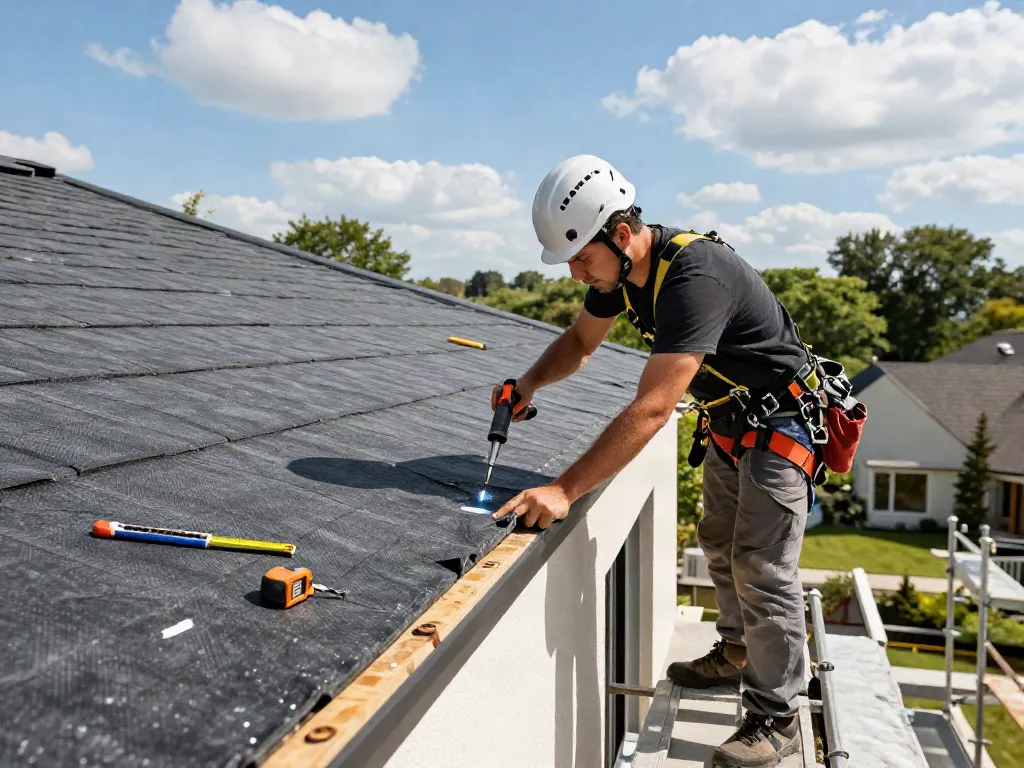
The installation of a felt roof involves several critical steps to ensure that it is watertight and durable. Below, we explore the standard procedures followed by roofing professionals.
Step-by-Step Guide to Installing a Felt Roof
- Preparation: Clear the roof surface of any debris and ensure it is dry.
- Insulation: If applicable, install insulation to enhance energy efficiency.
- Lay the Felt: Roll out the first layer of felt, ensuring it overlaps with the existing roofing material.
- Secure the Layers: Use a hot torch or adhesive to secure each layer in place, ensuring a seamless finish.
- Finishing Touches: Trim excess felt and ensure all edges are properly sealed to prevent water ingress.
Common Challenges During Installation
Some challenges during installation may include:
- Weather conditions that affect drying time and adhesion.
- Complications with roof structure that require additional reinforcement.
Best Practices for Ensuring Longevity
Maintaining the integrity of a felt roof requires attention to detail. Best practices include:
- Regular inspections at least twice a year and after severe weather conditions.
- Promptly addressing any signs of damage or wear.
Felt Roof Maintenance and Care
Proper maintenance is essential to extend the lifespan of your felt roof. Regular checks can help catch small issues before they become major problems.
Routine Checks and Repairs
Routine checks should include looking for:
- Cracks or tears in the felt material.
- Signs of water pooling or drainage issues.
- Damaged flashings and edges.
Signs of Damage to Look For
Homeowners should be vigilant about signs that may indicate roof damage, including:
- Water stains on ceilings or walls.
- Visible sagging or soft spots on the roof surface.
- Excessive moss or algae growth.
How to Extend the Lifespan of Your Felt Roof
To prolong the life of your felt roof, consider employing these strategies:
- Keep the roof free of debris.
- Ensure that gutters and drainage systems are cleaned regularly to promote efficient water flow.
- Apply protective coatings as recommended by professionals.
Future Trends in Felt Roofing
As the roofing industry evolves, several trends are emerging that could shape the future of felt roofing.
Innovative Materials and Techniques for 2026
Advancements in technology are leading to the development of new felt materials that enhance durability and energy efficiency. For example, synthetic felts are becoming increasingly popular due to their lower environmental impact and superior performance.
Market Insights and Predictions for Felt Roofing
The felt roofing market is expected to grow as awareness of the benefits continues to rise. More homeowners are recognizing the balance of affordability and durability that felt roofs offer, making them a strong presence in the market.
Emerging Technologies in Roofing
Emerging technologies such as drones for inspections and infrared imaging for moisture detection are set to revolutionize how we assess and maintain roofing systems, including felt roofs.
What Homeowners Should Expect Moving Forward
Homeowners can anticipate more eco-friendly options and innovative solutions that prioritize sustainability without compromising performance in their felt roofing choices.
FAQs about Felt Roofs
What are the disadvantages of felt roofing?
Felt roofing can have weaknesses such as vulnerability to punctures or tears and may require more frequent maintenance compared to other roofing systems.
Is roofing felt 100% waterproof?
While roofing felt is designed to be water-resistant, it's not entirely waterproof. Proper installation and maintenance are crucial to minimize water infiltration.
How can I maintain my felt roof effectively?
To maintain your felt roof effectively, conduct regular inspections, remove debris, and address damage promptly to prevent leaks and prolong its lifespan.